.png)

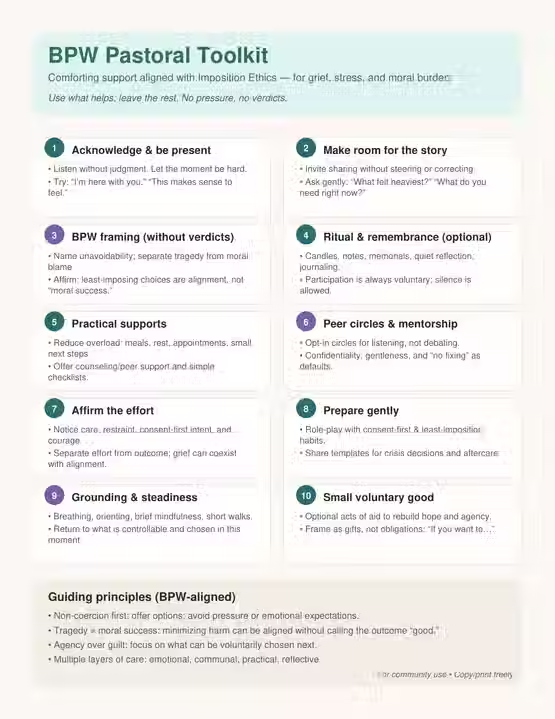
Pastoral ToolKit
Comforting in Alignment with Imposition Ethics
1. Acknowledge and Validate
-
Goal: Recognize emotional and moral burden.
-
Methods:
-
Listen attentively without judgment.
-
Say things like:
-
“I see how hard this has been for you.”
-
“It’s understandable to feel this way.”
-
-
Avoid framing tragedy as morally “good” if it was unavoidable.
-
2. Narrative Support
-
Goal: Help individuals process experience through storytelling.
-
Methods:
-
Provide a safe space for sharing.
-
Ask reflective, non-leading questions:
-
“What was hardest for you in this decision?”
-
Focus on feelings and facts, not moral blame.
3. Shared Moral Framing
-
Goal: Situate experience within BPW ethical framework to reduce guilt.
-
Methods:
-
Explain structural or unavoidable causes of tragedy.
-
Emphasize that “least-imposing choices” were ethically aligned.
-
Clarify that minimizing harm does not equate to making the outcome morally “good.”
4. Rituals and Symbolic Acts
-
Voluntary effort to reduce harm is valuable to acknowledge, even when outcomes remain tragic.
-
Recognition of alignment does not sanitize or justify the outcome—it honors intentionality.
Suggested practice: Create a personal or communal acknowledgment ritual for acts of alignment or least-imposition efforts.
5. Practical Emotional Support
-
Goal: Reduce cognitive and emotional overload.
-
Methods:
-
Connect members to counseling or peer support.
-
Encourage structured breaks, self-care, and rest.
-
Provide checklists or reflection templates for future dilemmas.
6. Peer Circles and Mentorship
-
Goal: Reduce moral isolation through community.
-
Methods:
-
Voluntary discussion groups focused on moral dilemmas.
-
Case study reflection sessions.
-
Emphasize non-judgmental listening and sharing.
7. Positive Reinforcement of Effort
-
Goal: Acknowledge ethical effort, independent of outcome.
-
Methods:
-
Highlight intentional alignment with BPW values.
-
Separate effort from tragic outcomes.
-
Praise thoughtful, least-imposing decision-making.
8. Education and Preparation
-
Goal: Reduce anxiety and empower proactive moral alignment.
-
Methods:
-
Role-play scenarios using BPW checklists.
-
Provide templates for crisis or ethical dilemmas.
-
Teach consent-first and least-imposition strategies.
9. Mindfulness and Grounding
-
Goal: Reduce emotional overwhelm from moral shock or grief.
-
Methods:
-
Breathing exercises, meditation, or guided reflection.
-
Encourage focus on present actions and controllable outcomes.
-
10. Voluntary Acts of Good
-
Goal: Reinforce agency, hope, and moral coherence.
-
Methods:
-
Encourage small, non-coercive acts of aid.
-
Voluntary donations or volunteer work.
-
Frame actions as optional assistance, not moral obligation.
-
Guiding Principles for the Toolkit
-
Non-coercion first: Never impose actions or emotional expectations.
-
Separate outcome from moral status: Tragedy may be unavoidable; ethical action is about intention and minimal imposition.
-
Empower agency: Focus on what the person can voluntarily choose or do next.
-
Offer multiple layers: Emotional, communal, practical, and reflective support.